

Quick Summary
The best rare fermented chinese teas to buy combine documented provenance, clear storage history and a price that matches age and format. Seven picks span aged pu-erh and Liu Bao, from $25.00 to $150.00. Check factory, year and storage before you order.
- Check that the listing names the factory, production year and storage location.
- Aged pu-erh picks include the 1960's Cultural Revolution GuPu at $150.00.
- The 1990's Wu Zhou 619 Liu Bao, priced at $25.00, offers a nutty, developed flavor.
- Dry storage ages tea more slowly and keeps more of its original character than humid storage.
- For a first purchase, try a mid-price tea like the 1980's Menghai Spring Royal Buds.
Table of Contents
- How We Chose These Rare Fermented Chinese Teas
- Aged Pu-erh Tea: The 1960s Cultural Revolution GuPu
- 1970s Hong Tai Chang Raw Pu-erh for Collectors
- Menghai Royal Buds and White Lotus: Two Yunnan Pu-erh Options
- Liu Bao Tea: Four Aged Options Compared
- Authenticity, Storage and Price: What to Check Before You Buy
- Where to Buy Rare Fermented Chinese Teas Online and Choose Your First Piece
- Frequently Asked Questions
How We Chose These Rare Fermented Chinese Teas
Last Updated: November 10, 2026
Rare fermented Chinese teas can cost anywhere from a modest sum to hundreds of dollars per pound, and the difference is rarely just age. At Generation Tea, we selected the seven teas below by asking three questions: is the tea genuinely old or rare, is the provenance documented, and is the style distinct enough to matter to a buyer? Global demand for fermented tea is growing quickly, with Data Bridge Market Research fermented tea forecast projecting the category to reach USD 6.00 billion by 2033. Growth like that attracts counterfeits and mislabeled stock, which is why the checks in this guide matter.
We grouped the picks by style. Pu-erh (sheng, or raw) and Liu Bao are the two families we cover most often, and the sections that follow compare them directly. Our criteria were:
- Age and storage: Whether the tea's aging history is stated, and how it was stored
- Style: Raw or ripe pu-erh, or the dark, nutty character of Liu Bao
- Price clarity: Whether the listed price matches the tea's age and format
Aged tea is a niche, and the research behind it is thinner than the marketing around it. A HerbalGram review of post-fermented Chinese teas notes that these teas have been largely overlooked by Western researchers, so claims about health effects should be treated with caution. We focus on taste, provenance and collectability instead.
Aged Pu-erh Tea: The 1960s Cultural Revolution GuPu
Our highest-priced pick is the 1960's Cultural Revolution GuPu Pu-erh, listed at $150.00. This is a loose-leaf sheng tea with dark leaves and a dark brew, and it has a rich, sweet, earthy finish. The tea's factory history is unknown, which is worth knowing before you buy. It has been stored in Hong Kong for more than 60 years, and the listing says it infuses five to six times.
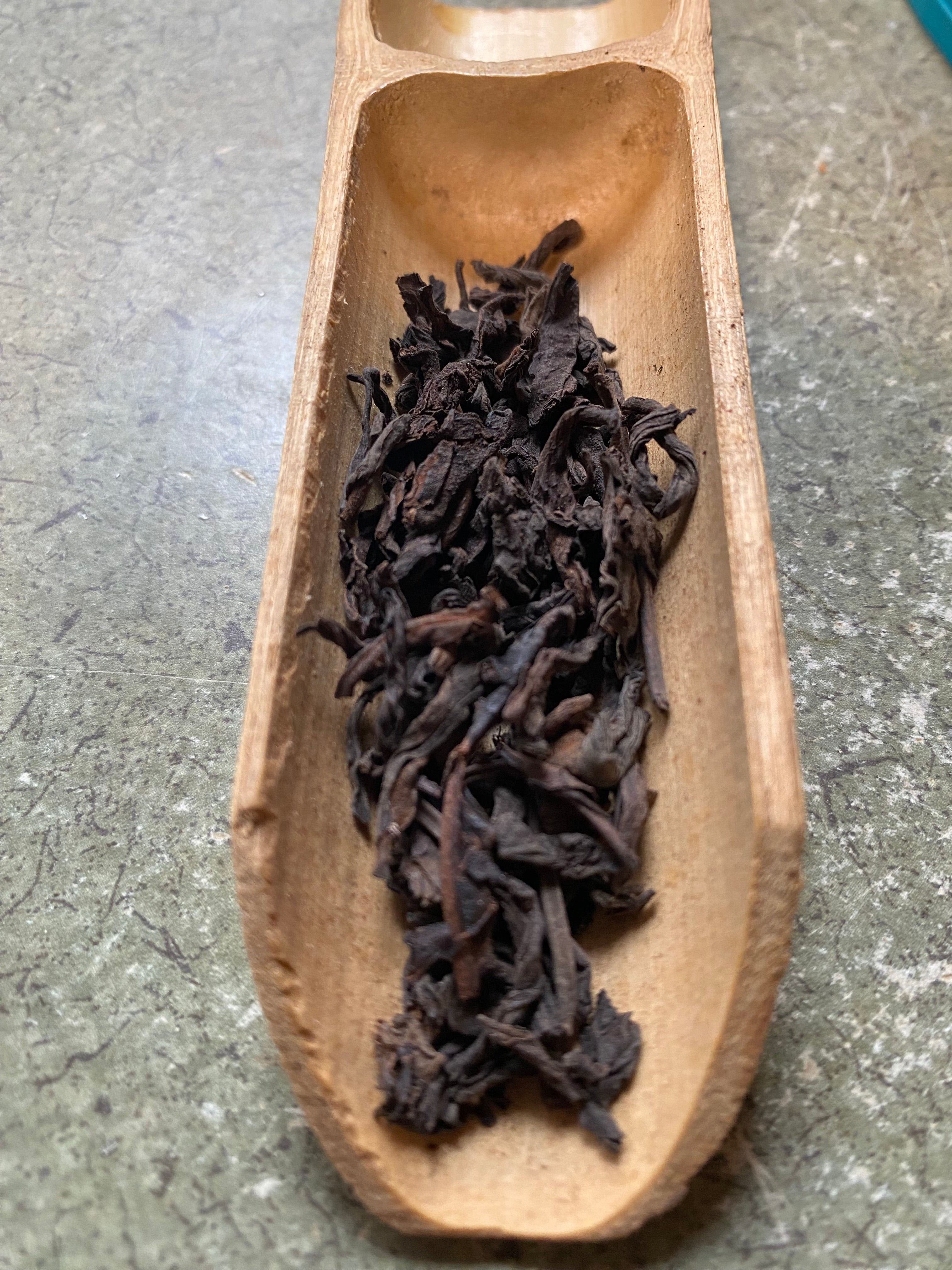
Buyers who want to sample a 1960s tea without committing to a full cake should look at this one first. Our product listing explains the storage history in more detail.
1970s Hong Tai Chang Raw Pu-erh for Collectors
The 1970's Hong Tai Chang Loose Leaf Cultural Revolution Pu-erh Tea Sheng (raw) is priced at $50.00 and is one of the more accessible entries for collectors. It comes from the Hong Tai Chang factory and has a wood-forward flavor with a slightly sweet aftertaste. The listing recommends about 10g per serving.
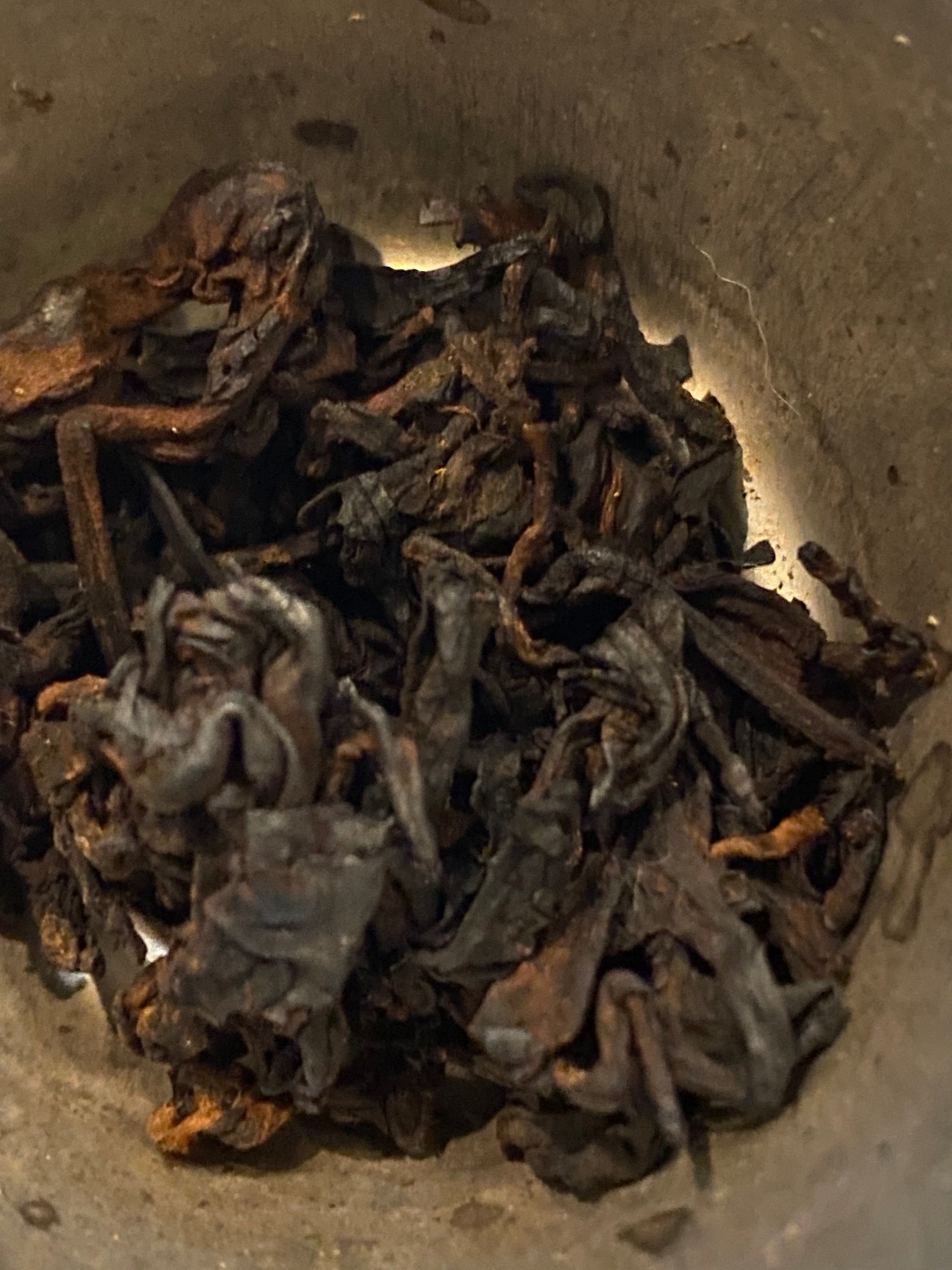
Historical context matters here. The Cultural Revolution ran from 1966 until 1976, and much of the tea from that era was produced through state-run factories. The leaves are described as having an almost shu-like taste from age.
Menghai Royal Buds and White Lotus: Two Yunnan Pu-erh Options
Two Menghai teas give buyers a contrast within the same region. The 1980's Menghai Spring Royal Buds Pu-erh is listed at $27.50, and the 1990's White Lotus Royal Pu-erh is also $27.50. Both are made from young buds, and both are described as stored in Hong Kong for more than 30 years.
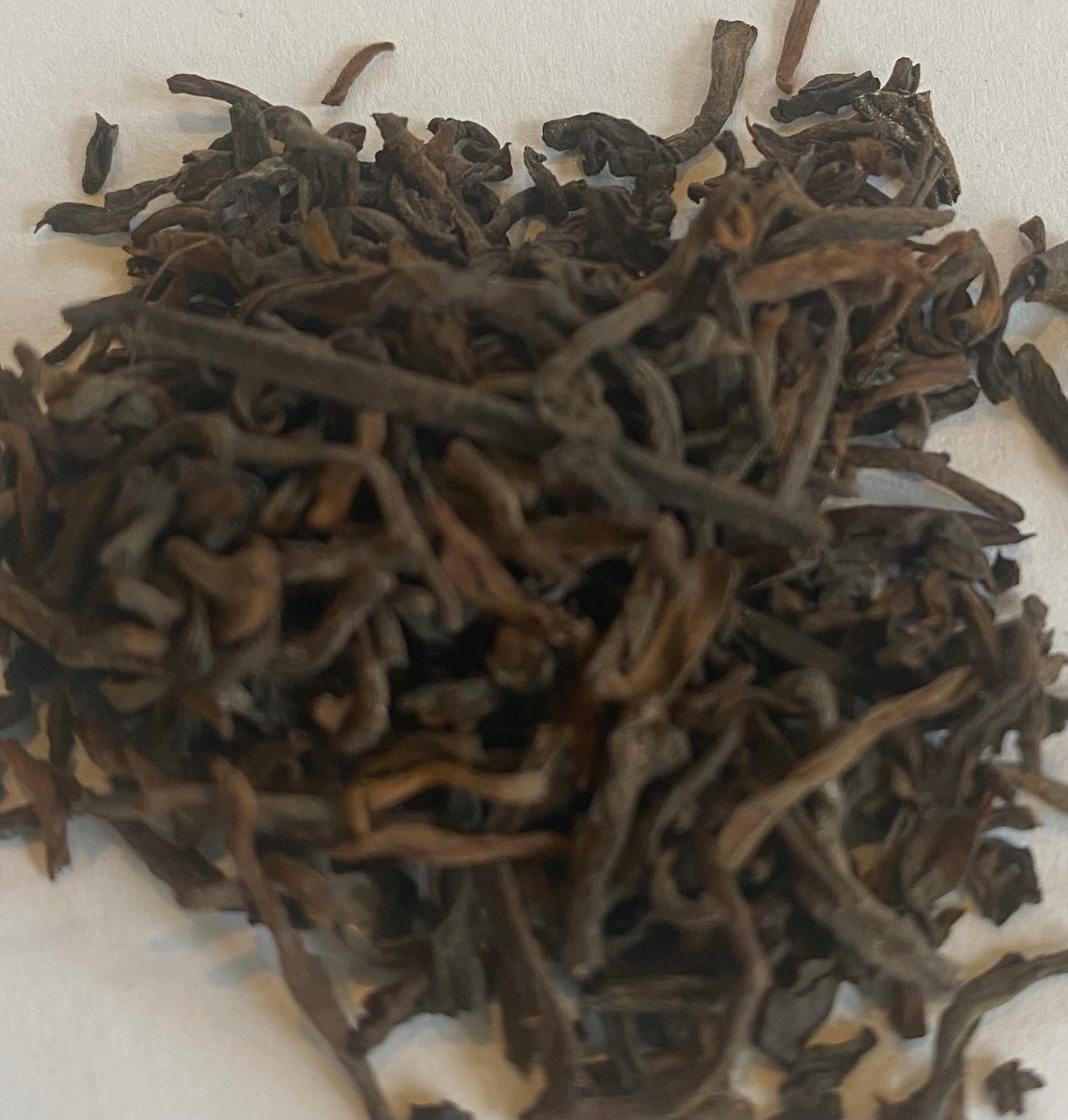
The Royal Buds tea is described as only about 10 percent oxidized, with a distinct lotus-like flavor and a deep ruby color. Buyers who want a lighter, more floral aged pu-erh can start with the Royal Buds tea, while the White Lotus option appeals to those who want a similar profile at the same price point.
Liu Bao Tea: Four Aged Options Compared
Liu Bao is a dark tea from Wuzhou in Guangxi, and it belongs to the broader hei cha family that includes Anhua dark tea from Hunan and other post-fermented styles. Unlike pu-erh, which is defined by Yunnan provenance and a raw-versus-ripe split, Liu Bao is typically basket-aged and often sold in woven bamboo baskets that hold anywhere from a few hundred grams to 30 kilograms or more. The tea is known for a nutty, woody, and clean profile, with a smoothness that comes from controlled fermentation and aging rather than from the aggressive microbial activity of ripe pu-erh. Most practitioners find that Liu Bao ages on a gentler curve than sheng pu-erh, which makes well-stored 1980s and 1990s baskets approachable for buyers who want aged character without the sometimes sharp or camphor-heavy notes of old raw pu-erh.
The four Liu Bao picks below sit at different price points and represent different aging styles and formats:
| Tea | Price | Format | Best For |
|---|---|---|---|
| 1990's Wu Zhou 619 Liu Bao | $25.00 | Loose leaf | Nutty, developed flavor |
| 1980's Gold Label Liu Bao, 33kg basket | $30.00 | 33kg basket | Clean, sweet, dry-stored tea |
| 1996 Liu Bao 2101 Six Forts, 500g basket | $35.00 | 500g basket | Trying a basket at a moderate size |
| 1980s Aged Liu Bao Six Forts Private Stock | $35.00 | Private stock | Light, clean and limited in quantity |
Price
The 1990s Wu Zhou 619 is a small-leaf Liu Bao with a nutty, developed flavor. The 1980s Gold Label basket is a 33kg format that was dry-stored. The 1996 Six Forts 2101 is a 500g basket that lets you experience the Six Forts production style without committing to a large format, and the 1980s Aged Six Forts Private Stock is described as limited in quantity.
Buyers who are new to Liu Bao may prefer a smaller format or a loose-leaf option before choosing a larger basket. The 1990 Hen Xian Cha Chang tea and the 2010 Three Cranes basket are also available if you want a slightly younger option.
Authenticity, Storage and Price: What to Check Before You Buy
Counterfeit aged tea is a real risk, and it is hard to spot from a photo alone. Before you buy, check the following points:
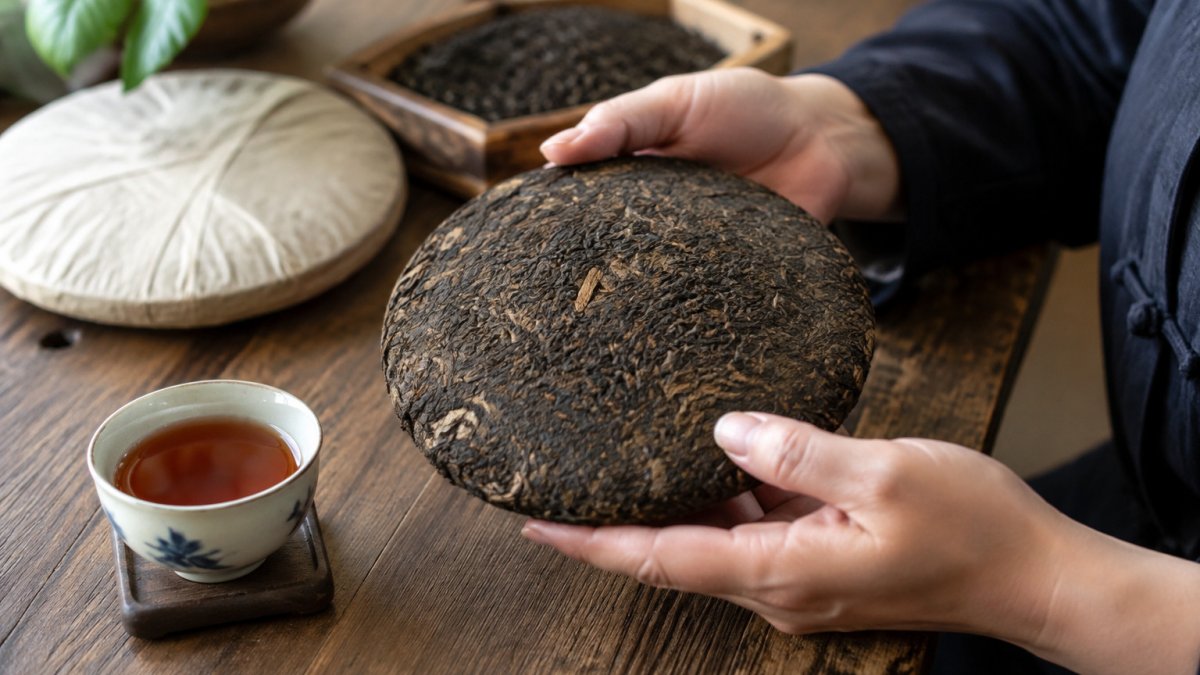
- Documented provenance: Look for the factory name, the year of production, and the storage location as stated in the listing. Listings that name the factory and the storage location give you more to go on than listings that only give a country.
- Harvest and batch size: Rare teas are often sold in small batches, and the batch size should be consistent with the age and format. Ask how many units are available and whether the stock comes from a single batch.
- Storage history: Dry storage in Hong Kong or Taiwan produces a different aging curve from humid storage, so ask how the tea was kept. The key variables are humidity, temperature, and odor exposure. Tea stored in a humid climate ages faster and can develop musty or damp notes if ventilation was poor, while tea stored in a dry climate ages more slowly and tends to retain more of its original character. A poorly stored tea can taste stale or off even when it is genuinely old, so storage history matters as much as the production year.
- Price against age and format: Compare prices against the format and the age stated in the listing. Our listed prices run from $25.00 to $150.00.
- Seller documentation and sample options: Ask the seller what storage history they can document before you buy. Check the shipping and return terms before ordering.
If a listing does not state the storage location or conditions, ask before you buy.
For a first purchase, a mid-range Liu Bao or a 1980s pu-erh is a reasonable place to start. Prices can change, so check the current listing before you order. The checklist above is designed to be used side by side with the product listings, so you can compare provenance, storage, and format before you commit to a rare or expensive tea.
Where to Buy Rare Fermented Chinese Teas Online and Choose Your First Piece
Buying online is practical if you know what you want, and the best approach is to start small. Choose one style, either pu-erh or Liu Bao, and buy a single piece to learn what aged tea tastes like. Compare the listing details against the checklist above, and ask about storage if it is not stated.
For a first purchase, consider a mid-price tea that matches your taste: the 1980's Menghai Spring Royal Buds for a floral pu-erh, or the 1990's Wu Zhou 619 Liu Bao for something nutty and dark. Once you know your preference, the rarer pieces make more sense as a considered purchase. Explore the full range at Generation Tea.
Frequently Asked Questions
Which Chinese tea is fermented?
Pu-erh and Liu Bao are the best-known fermented Chinese teas. Pu-erh comes from Yunnan and is sold as raw (sheng) or ripe (shou) tea, while Liu Bao is a dark tea from Guangxi made with Six Forts processing. Both are aged, and their flavor deepens over years of storage. Generation Tea carries aged examples of both, including the 1980s Liu Bao Six Forts Private Stock at 35.00 and the 1980s Menghai Spring Royal Buds Pu-erh at 27.50.
What should I look for when buying aged Chinese tea?
Check the age stated in the listing, the storage history, and the leaf condition. Dry storage in Hong Kong or Taiwan is often described as producing a clean, sweet profile in aged tea, and the listings for several Generation Tea products note this. Ask for the storage description and the year of production, and compare the price per gram against the age and the grade of leaf. Authenticity is hard to verify from a photo, so buying from a seller who documents provenance reduces the risk.
What is the difference between raw and ripe pu-erh?
Raw (sheng) pu-erh is unfermented-style tea that ages slowly and develops over decades, often with brighter and more complex notes as it matures. Ripe (shou) pu-erh is fermented under controlled conditions, so it is ready to drink sooner and has a smoother, earthier profile. Aged raw pu-erh such as the 1970s Hong Tai Chang loose-leaf sheng at 50.00 can take on a shu-like smoothness after decades of storage.
How should fermented Chinese tea be stored?
Store fermented tea in a cool, dry, odor-free place away from strong smells and direct sunlight. Stable humidity matters more than high humidity, because damp storage can introduce off-flavors. Keep aged cakes and baskets wrapped in their original paper where possible. Generation Tea's listings describe natural Hong Kong dry storage as a key reason their aged pieces taste clean, which is the condition buyers should look for when comparing sellers.
